

Starting an online business from scratch can feel intimidating. Many beginners dream of working from home, being their own boss, and generating passive income, but often they don’t know where to start. The truth is, anyone can start an online business if they follow the right strategy and take consistent action. This guide by Awisetips will provide a step-by-step roadmap to help you launch, grow, and scale your online business, even if you have zero prior experience. By the end of this guide, you will have a clear understanding of what it takes to start an online business and actionable steps to turn your ideas into reality.
Step 1: Identifying a Profitable Niche
Choosing the right niche is crucial. A niche defines your audience, your offerings, and the problems you solve. Without a clearly defined niche, your marketing will be scattered, and your business may struggle to gain traction. Start by brainstorming topics you are passionate about. Next, research whether people are actively searching for solutions in that space. Tools like Google Trends, Ahrefs, SEMrush, and AnswerThePublic are great for understanding demand. Look for gaps in the market – areas where current solutions are insufficient or overpriced. For example, instead of creating a generic fitness blog, target “home workouts for busy professionals” or “vegan meal plans for beginners.” Narrow niches tend to attract a more engaged audience and have less competition, making it easier for you to stand out.
Step 2: Conducting Market Research
Market research is the backbone of a successful online business. Understanding your audience, competitors, and trends will guide your strategy and save you from costly mistakes. Start by defining your ideal customer. Consider demographics such as age, gender, location, income level, and interests. Then, analyze competitors. Look at their websites, social media, and customer reviews. Identify what they are doing well and where they are falling short. Use keyword research to see what topics or products people are actively searching for. Look for trends, recurring questions, and pain points. Platforms like BuzzSumo, Reddit, and Quora can also provide insights into what your target audience is discussing. Effective market research helps you position your business uniquely and ensures your offerings meet real demand.

Step 3: Choosing the Right Business Model
There are multiple ways to generate revenue online. Your business model determines how you operate and monetize your efforts. Popular online business models include e-commerce, dropshipping, digital products, affiliate marketing, subscription services, and service-based businesses. E-commerce allows you to sell physical products via platforms like Shopify or WooCommerce. Dropshipping eliminates inventory management, allowing you to sell products directly from suppliers. Digital products, such as e-books, courses, and software, can generate high margins and passive income. Affiliate marketing involves promoting other people’s products for commissions, ideal if you prefer not to handle fulfillment. Service-based businesses, like consulting, coaching, or freelancing, can be profitable with minimal startup costs. Select a business model that aligns with your skills, resources, and long-term vision. Remember, the best model is the one you can execute consistently and scale over time.
Step 4: Building a Strong Brand
Your brand is your identity in the online world. It’s how people perceive your business and whether they trust you enough to buy from you. A strong brand communicates professionalism, reliability, and value. Start by choosing a memorable business name and domain, ideally short, easy to spell, and relevant to your niche, such as Awisetips.com. Design a professional logo and select a consistent color palette. Define your brand voice – friendly, authoritative, humorous, or motivational. Ensure consistency across all touchpoints, including your website, social media profiles, email campaigns, and product packaging. A well-established brand not only attracts customers but also creates loyal followers who recommend your business to others. People buy from brands they trust, not just products.
Step 5: Building Your Website or Online Presence
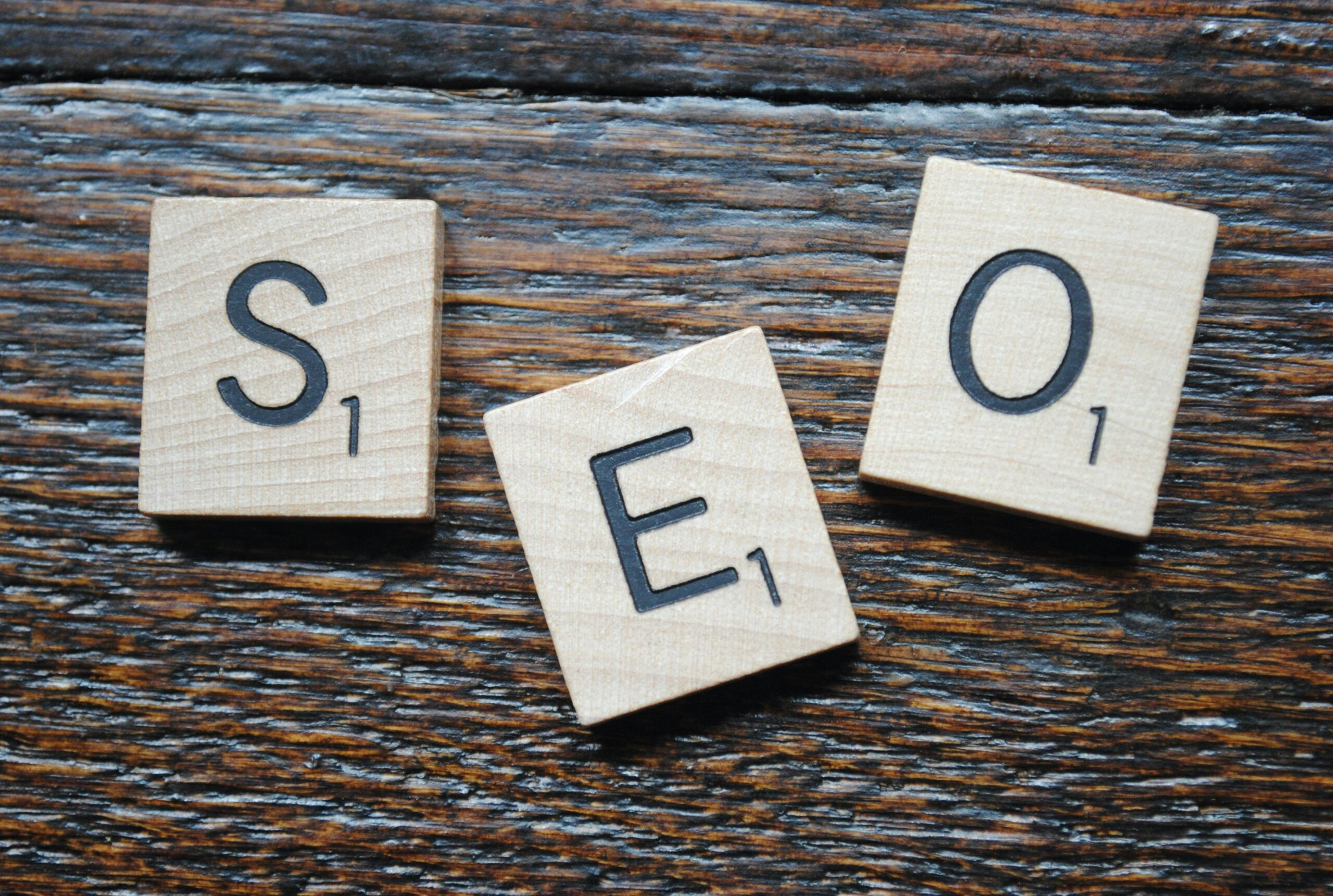
Your website is your digital storefront and the hub of your online business. A professional, user-friendly site can establish credibility and convert visitors into customers. Key elements of an effective website include responsive design, fast loading speed, clear navigation, high-quality images, and engaging content. If selling products, integrate a reliable payment gateway. Include a blog to attract organic traffic through content marketing. Platforms like WordPress, Shopify, Wix, or Squarespace allow beginners to set up professional websites without coding. Ensure your site is optimized for search engines (SEO) by using relevant keywords, meta descriptions, and descriptive URLs. Your website should reflect your brand and provide visitors with a seamless user experience.
Step 6: Creating High-Quality Content
Content is the engine that drives traffic, builds authority, and nurtures your audience. High-quality content addresses your audience’s questions, solves problems, and guides them toward your products or services. Content formats can include blog posts, videos, podcasts, infographics, and social media posts. When creating content, focus on providing value rather than selling aggressively. Use keyword research to determine topics with high search demand. Create a content calendar to maintain consistency and track performance. Tools like Canva, Grammarly, and Trello can help with design, writing, and planning. At Awisetips, we emphasize content that educates, inspires, and builds trust with your audience before asking for sales.
Step 7: Developing a Marketing Strategy
Marketing is essential for driving traffic and generating sales. An effective strategy combines organic and paid methods. Organic methods include search engine optimization (SEO), social media engagement, email marketing, and content marketing. Paid strategies include Google Ads, Facebook Ads, Instagram Ads, and influencer marketing. Build an email list from day one, as it allows you to nurture leads and increase conversions. Use social media platforms where your audience is most active. Create engaging posts, run contests, and interact with followers. Analytics tools like Google Analytics, Facebook Insights, and email marketing software can track performance and help optimize campaigns. Marketing is not just about promoting products; it’s about building relationships and trust.
Step 8: Launching Your Business
Launching your online business is a milestone. Prepare for a smooth launch by setting clear goals, creating marketing materials, and testing all systems. Conduct a soft launch to a smaller audience to gather feedback and make improvements. Announce your launch through email, social media, and PR channels. Offer special promotions or discounts to create excitement and encourage early adoption. Monitor analytics closely during the launch phase to identify any technical issues or areas for improvement. A well-planned launch generates momentum and sets the tone for your business growth.
Step 9: Monitoring and Optimizing Performance
Tracking your business performance is crucial for sustainable growth. Use analytics tools to monitor website traffic, conversion rates, customer behavior, and marketing campaign effectiveness. Key metrics include revenue, profit margins, customer acquisition cost (CAC), return on investment (ROI), and lifetime value (LTV). Analyze which products, content, or campaigns generate the most results. Continuously test different approaches, such as headlines, call-to-actions, ad creatives, and pricing. Data-driven decisions ensure that your efforts are effective and resources are allocated efficiently.
Step 10: Scaling Your Online Business
Scaling involves growing your business without compromising quality or overextending yourself. Automate repetitive tasks using tools like Zapier, Hootsuite, or Mailchimp. Outsource non-core activities to freelancers or agencies. Expand product lines, introduce complementary services, or explore new markets. Consider partnerships, affiliate programs, or collaborations to reach new audiences. Scaling requires strategic planning and careful monitoring to maintain profitability while increasing revenue. At Awisetips, we stress the importance of sustainable growth over rapid, unsustainable expansion.

Step 11: Financial Management and Legal Considerations
Proper financial management is essential. Track expenses, revenue, and taxes carefully. Use accounting software like QuickBooks or Wave to manage your finances. Set aside funds for reinvestment, marketing, and unexpected costs. Understand your legal obligations, including business registration, permits, and intellectual property rights. Depending on your region, you may need to comply with online business regulations, privacy laws, and payment processing requirements. Seeking professional advice from accountants or legal experts can save you from future complications.
Step 12: Mindset and Consistency
Your mindset can determine your success. Online entrepreneurship is not a get-rich-quick scheme; it requires patience, resilience, and continuous learning. Embrace failure as a learning opportunity, stay consistent with your efforts, and maintain a growth mindset. Surround yourself with like-minded individuals or mentors who can provide guidance and motivation. Celebrate small wins and focus on long-term progress. A positive mindset keeps you motivated through challenges and helps you make better decisions.
Step 13: Advanced Growth Strategies
Once your business is stable, you can implement advanced strategies to accelerate growth. Explore retargeting campaigns to recapture lost leads, leverage influencer marketing to expand your reach, and invest in high-converting landing pages. Consider creating premium offerings or subscription models to increase revenue per customer. Continuously experiment with new content formats, marketing channels, and automation tools. At Awisetips, we encourage a balance between experimentation and consistency, allowing you to innovate while maintaining core operations.
Step 14: Building a Community Around Your Brand
A loyal community can become your most valuable asset. Engage with your audience through social media groups, forums, webinars, or live Q&A sessions. Encourage user-generated content, testimonials, and reviews. Respond promptly to questions and feedback. Communities foster trust, increase customer retention, and generate organic growth through word-of-mouth. Creating meaningful relationships with your audience differentiates your business from competitors who focus solely on transactions.
Step 15: Continuous Learning and Adaptation
The online business landscape is constantly evolving. Stay informed about trends, technology, and consumer behavior. Invest in courses, attend webinars, read industry blogs, and join online communities. Adapt your strategies based on market feedback and emerging opportunities. Flexibility and willingness to learn are critical traits for long-term success. At Awisetips, we emphasize the importance of learning as a continuous process that supports business resilience and growth.
Conclusion
Building an online business from scratch is a journey that requires strategy, dedication, and a proactive mindset. By following this comprehensive guide from Awisetips, you can identify a niche, conduct market research, choose a business model, brand effectively, build your website, create valuable content, market strategically, launch confidently, track performance, scale sustainably, manage finances, maintain the right mindset, implement advanced growth strategies, foster community, and continue learning. Every successful entrepreneur starts with a single step – start today, take consistent action, and grow your online business from zero to success.
Leave a Reply